Planning a Meaningful Memorial Tribute for a Veteran
Planning a memorial for a veteran offers families an opportunity to recognize military service while also celebrating the individual behind the uniform. Families working with funeral homes Windsor, CA can consider how military traditions, personal memories, relationships, and important achievements might come together in a respectful tribute. Thoughtful planning helps create a gathering that acknowledges dedication to the country without allowing military service to overshadow the many other experiences that shaped a loved one’s life.
Learning About Their Military Story
A veteran’s years of service may contain meaningful details that relatives have never fully explored. Before planning the gathering, family members can collect information about the person’s military branch, rank, assignments, deployments, awards, and years of service. Reviewing photographs, documents, letters, and stories shared over the years can provide valuable insight. These details can help the family decide which aspects of the veteran’s military experience deserve special recognition during the memorial.
Understanding Military Funeral Honors
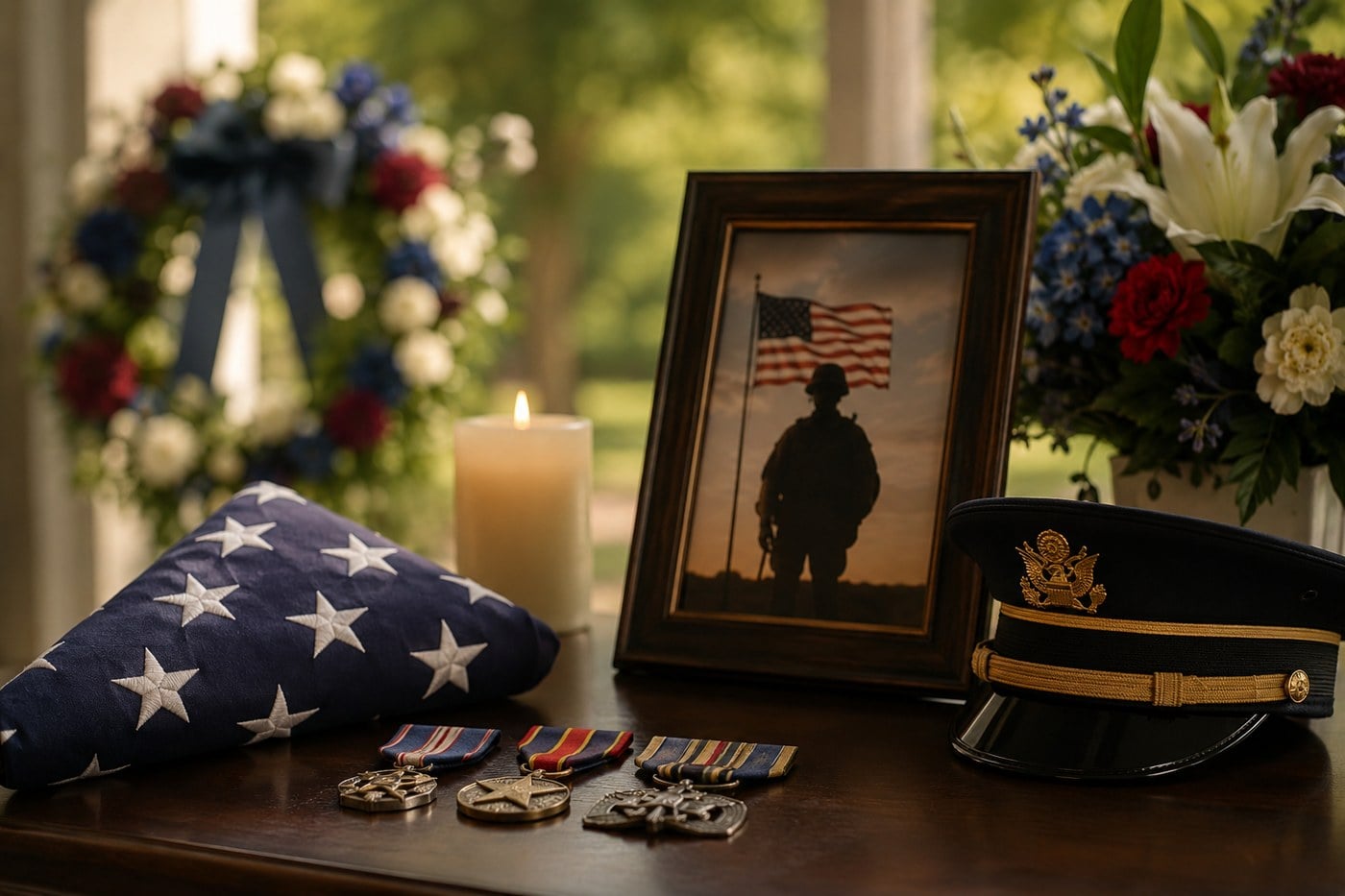
Eligible veterans may receive military funeral honors that bring tradition and dignity to a farewell. Families can ask for guidance about eligibility and the documentation required to request these honors. Depending on the circumstances, ceremonial elements may include the folding and presentation of the United States flag and the playing of Taps. Understanding these traditions beforehand can help relatives prepare for their meaning and determine how they fit within the overall gathering.
Balancing Service with Personal Identity
Military accomplishments are important, but a veteran’s identity often extends far beyond their years in uniform. A meaningful memorial can also reflect family relationships, friendships, hobbies, career achievements, community involvement, humor, values, and favorite pastimes. Combining these personal details with military recognition creates a fuller portrait of the individual. Guests are given the opportunity to remember both the veteran who served and the person they knew in everyday life.
Choosing Personal Elements for the Tribute
Small details can make a memorial feel deeply connected to the person being remembered. Rather than including elements simply because they are traditional, families can select details that have genuine meaning. Consider incorporating:
- Favorite photographs from different stages of life
- Military awards, medals, or service memorabilia
- Meaningful readings, poems, or passages
- Music connected to important memories
- Personal letters or written reflections
- Stories shared by relatives, friends, or fellow veterans
Choosing a few significant elements can create a focused tribute that feels sincere and personal.
Inviting Family and Friends to Participate
Participation can give relatives and friends meaningful ways to contribute to the memorial. A child or grandchild might share a reading, a longtime friend might tell a story, or a fellow veteran might speak about shared experiences. Some people may prefer quieter roles, such as helping select photographs or preparing a written remembrance. Allowing participation to reflect each person’s comfort level can create a gathering where several generations feel connected to the tribute.
Creating Space for Stories and Memories
Personal stories often reveal qualities that formal records cannot capture. Guests may remember the veteran’s generosity, humor, determination, leadership, or devotion to family. Setting aside time for several carefully chosen reflections can help those qualities become part of the memorial. Families can also invite people to write memories before the gathering so meaningful stories can be preserved and shared without placing pressure on anyone to speak publicly.
Selecting Music and Readings with Purpose
Music and readings can establish a reflective atmosphere while communicating ideas that may be difficult to express through ordinary conversation. Families might select a patriotic piece, a favorite song, a meaningful poem, or a passage connected to the veteran’s beliefs and values. The selections do not all need to focus on military life. Including material connected to family, character, hope, gratitude, or remembrance can help the tribute represent the person’s broader life story.
Considering the Needs of Different Generations
Veterans often leave memories with relatives spanning several generations, and each person may understand their service differently. Younger family members may benefit from simple explanations of military traditions and why certain ceremonial elements are included. Older relatives may have firsthand memories they wish to share. Bringing these perspectives together can help younger generations understand the veteran’s legacy while giving longtime family members an opportunity to preserve important stories.
Preparing a Thoughtful Order of Events
A clear sequence can help the memorial feel natural and unhurried. Families may begin with welcoming remarks, continue with readings or music, include personal reflections, recognize military service, and conclude with words of remembrance. The exact sequence should reflect the family’s preferences and the veteran’s personality. Allowing enough time for quiet reflection between important moments can keep the gathering from feeling rushed while giving guests space to absorb what has been shared.
Preserving a Veteran’s Legacy
A memorial can become more than a single gathering when families intentionally preserve the stories behind it. Photographs can be organized into an album, military history can be recorded for younger relatives, and personal memories can be collected in writing. These efforts give future generations a clearer understanding of the veteran’s character, experiences, and contributions. Preserving these details also ensures that family history remains connected to the individual rather than being reduced to dates and formal records.
Frequently Asked Questions
What Information Should Families Gather Before Planning?
Families may find it helpful to gather military records, photographs, awards, significant dates, favorite readings, music selections, and personal stories. Having these materials available can make it easier to create a tribute that accurately reflects both service and personal life.
Can a Veteran’s Memorial Include Both Military and Personal Traditions?
Yes. A memorial can respectfully combine military recognition with family traditions, music, readings, photographs, and personal reflections. The goal is to create a balanced tribute that represents the veteran as a whole person.
Who Can Speak During a Veteran’s Memorial?
Relatives, friends, colleagues, community members, and fellow veterans may participate when appropriate. Families can choose speakers based on their relationship with the person and the stories or perspectives they can meaningfully share.
How Can Children Participate in the Tribute?
Children can participate through age-appropriate roles such as sharing a short reading, selecting a photograph, writing a remembrance, or helping prepare a family keepsake. Their involvement can help them understand the importance of the veteran’s life and legacy.
Learn More About Planning a Veteran Memorial
For compassionate guidance from funeral homes Windsor, CA, contact Windsor Healdsburg Mortuary & Crematory to learn more about our services and how we can help your family create a thoughtful veteran tribute. Call (707) 838-6000 to speak with our team and begin planning a meaningful remembrance.