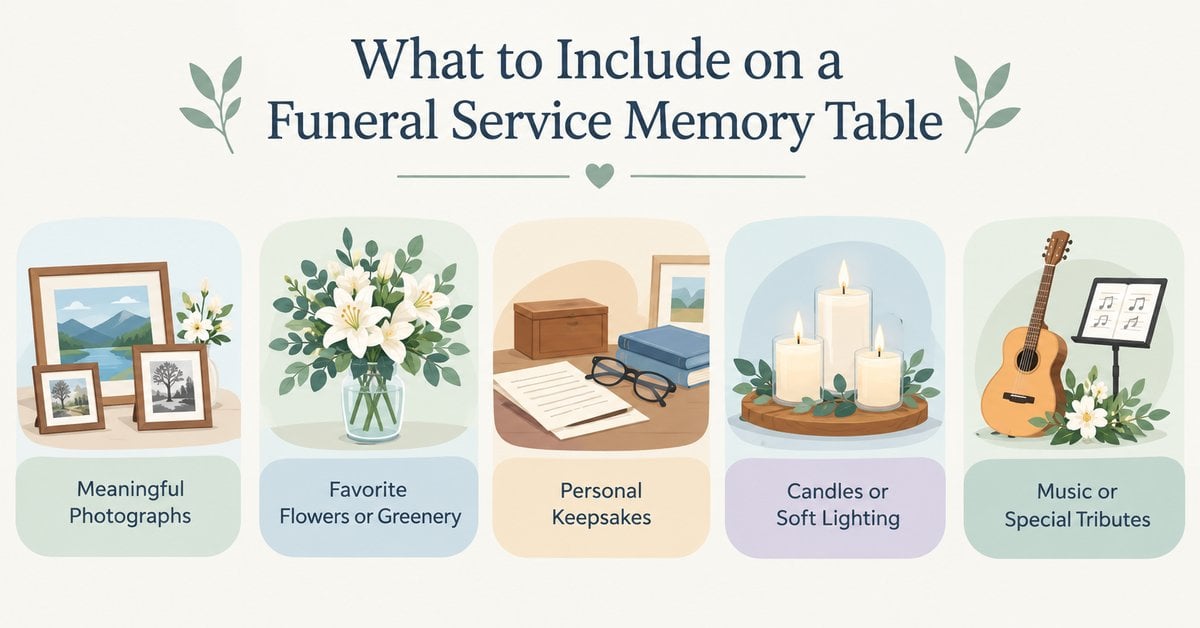
What to Include on a Funeral Service Memory Table
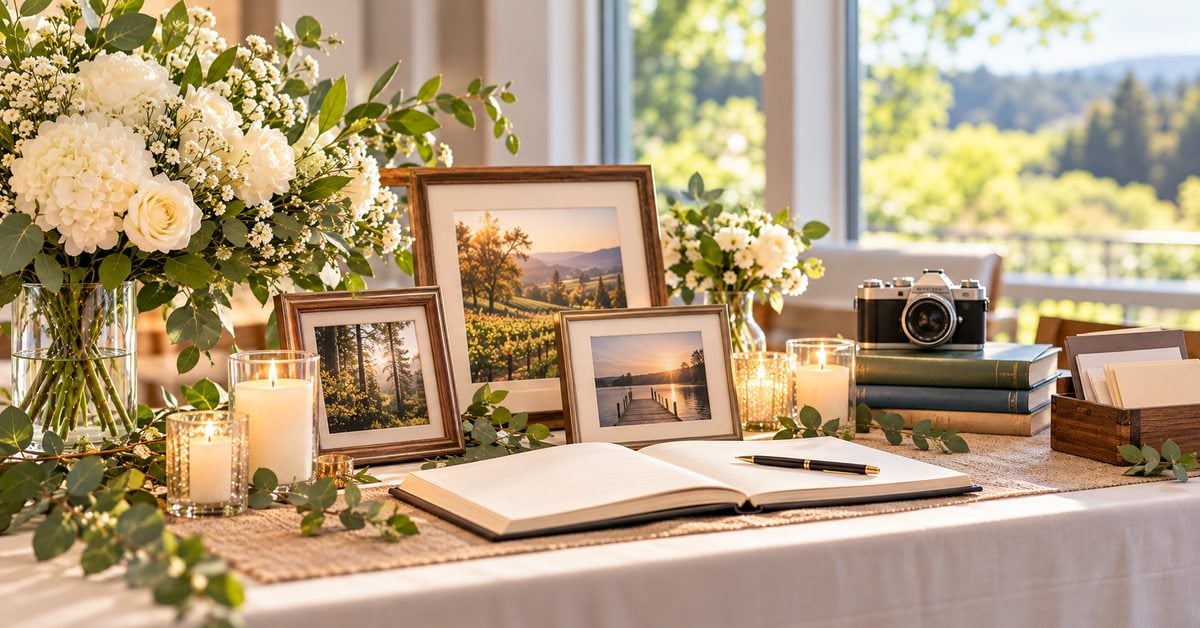
A memory table gives guests a welcoming place to recognize the details that made someone unique. Rather than trying to summarize an entire life, families can choose a few objects that naturally invite conversation and remembrance.
Guests often approach the display at their own pace. A photograph, familiar book, or handwritten note may prompt a warm recollection that can be shared with relatives and friends throughout the gathering.
Focus on a personal story. Consider the interests, habits, relationships, and traditions that mattered most. A thoughtfully chosen collection usually communicates more than an elaborate arrangement of unrelated items.
For families beginning to explore funeral homes Santa Rosa, CA, a memory table can be one thoughtful element of a larger remembrance gathering. Planning the display early allows relatives to gather meaningful materials without rushing.
Choose Photographs That Tell a Story
Photographs can show different chapters of a person’s life, including childhood, family milestones, friendships, travels, and favorite everyday moments. Select clear prints in a mix of sizes so guests can enjoy them without crowding the display.
Build a gentle visual timeline. Arrange several images chronologically or group them around themes such as family, hobbies, and meaningful places. Short handwritten labels may help guests understand a picture without turning the table into a lengthy biography.
When selecting pictures, invite relatives to contribute favorites. A range of perspectives helps the display feel shared rather than centered on a single person’s memories.
A small album can hold extra pictures that do not fit in frames. Guests can turn the pages while standing nearby, and relatives can preserve the album after the event as a keepsake.
Add Objects With Personal Meaning
An everyday object can evoke a vivid memory. A recipe card, fishing lure, gardening glove, favorite novel, or small craft may reflect the interests that friends and family associate with their loved one.
Choose items with a clear connection. Display only objects that are appropriate to share publicly, and consider using copies for delicate letters or irreplaceable documents. Secure fragile pieces and avoid arranging valuable items near an unattended edge.
A few familiar objects also provide natural conversation starters. Guests who did not know every chapter of the person’s life may discover a hobby or tradition that others remember fondly.
Consider adding a brief explanation beside an unusual object, especially if its significance might not be obvious. One sentence can connect an item to a cherished tradition without overwhelming the display.
A useful starting selection includes these familiar categories:
- Family and friendship photographs
- Personal letters or recipe cards
- Books, crafts, or hobby keepsakes
- A guestbook for shared memories
Invite Guests to Contribute Memories
A guestbook, message cards, or a simple prompt can encourage visitors to record a favorite moment. Families may later keep these contributions together as a personal collection of stories.
Make participation optional. Some guests prefer quiet reflection, while others welcome a chance to write. Provide a comfortable writing area, working pens, and a clear place to leave completed notes.
If the family wishes, a trusted relative can collect the messages after the gathering. These reflections can be meaningful to revisit over time and may reveal memories that were not previously known.
For guests who cannot attend, a family member may invite a short written memory in advance. These notes can be printed and placed with the other contributions if the family is comfortable sharing them.
Families can prepare a welcoming contribution area in a few steps:
- Choose a notebook or memory cards.
- Place pens within easy reach.
- Add a brief, friendly writing prompt.
- Collect completed messages after the gathering.
Plan a Balanced and Accessible Display
Consider the available space before selecting decorations and objects. Guests should be able to approach the table without blocking pathways, and each item should have enough room to be appreciated.
Keep the arrangement easy to explore. Place larger framed pictures toward the back, shorter objects near the front, and written materials where they can be read comfortably. Use stable stands and avoid crowded arrangements.
Families considering how funeral arrangements can accommodate personal remembrance can ask about suitable display areas and timing. This helps the memory table complement the overall gathering.
Think about visitors with different mobility needs. Leave enough space to approach the display, and avoid placing the most meaningful items where they are difficult to see.
Meaningful Display Choices at a Glance
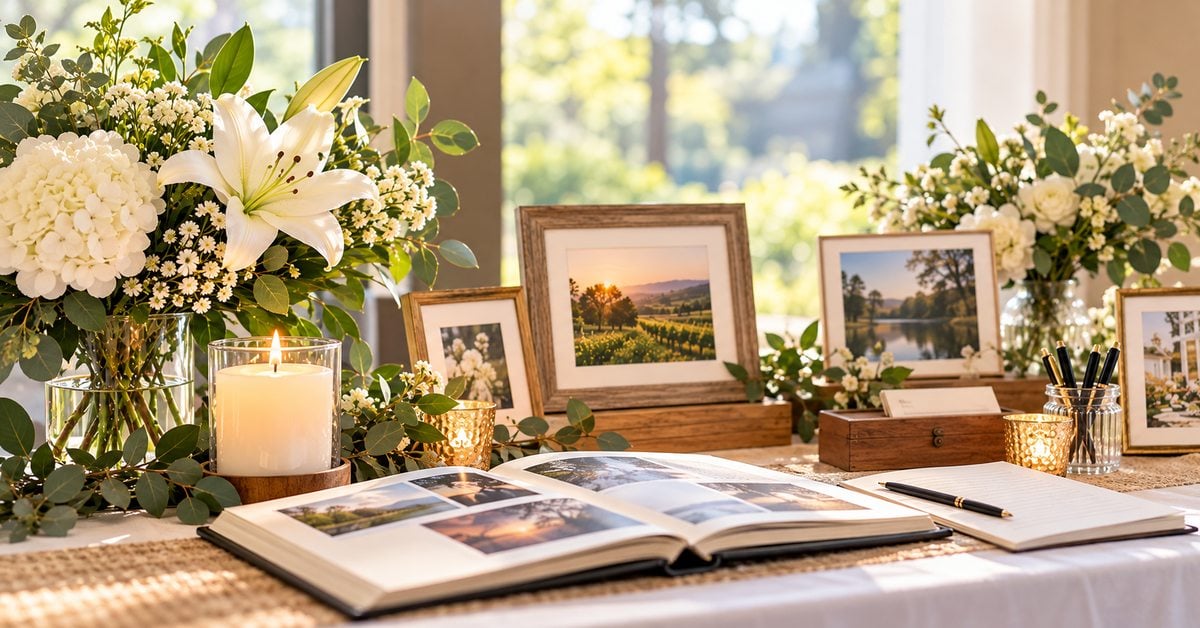
Each type of keepsake adds something different. The following table compares common choices and offers practical ways to present them with care.
The table below introduces common memory table elements and how they can be displayed thoughtfully.
| Memory Item | What It Conveys | Display Tip |
|---|---|---|
| Framed photographs | Life milestones and relationships | Mix sizes and group by theme |
| Favorite books | Interests and personal values | Show a meaningful cover |
| Personal keepsakes | Hobbies and daily routines | Use stable stands |
| Memory cards | Stories from friends and family | Provide pens and a collection box |
| Guestbook | Messages for the family | Place near the table entrance |
Create a Cohesive Theme Without Overdoing It
A simple palette inspired by a favorite place, season, or personal interest can help the display feel connected. Neutral linens and natural textures often allow the photographs and keepsakes to remain the focus.
Use lighting thoughtfully. Battery-operated candles can create a soft visual accent where permitted. Families interested in personalized memory candles as part of remembrance may also consider how a small symbolic light fits the table.
Keep decorations modest and leave space for the objects that carry the strongest personal meaning. An uncluttered presentation can be especially comforting in a busy room.
The goal is to create a gentle point of connection rather than an exhibition. Visitors should feel free to pause, remember, and continue when they are ready.
Prepare the Table With Family Members
Assigning a few simple tasks can make setup more manageable. One person might gather photographs, another arrange keepsakes, and another confirm what can safely be displayed.
Check the final arrangement together. Families may wish to discuss memorial display details with the funeral team before the gathering, especially when the venue has specific space or safety requirements.
Take a photograph of the finished table so the family can remember the display later. After the gathering, return borrowed items promptly and keep written memories together in a labeled folder.
Prepare a small checklist before setup so the family can confirm frames, stands, labels, pens, and the guestbook. Keeping these supplies together can simplify arrival.
Let the Display Reflect the Person
There is no single correct way to build a memory table. A quiet arrangement of a few photographs can be just as meaningful as a larger collection of objects and notes.
Honor individuality. Think about what guests would immediately recognize and what the family most wants to preserve. Thoughtful choices, rather than the number of items, make the tribute feel sincere.
Give yourself permission to revise the display as family members contribute ideas. The final arrangement should feel manageable and true to the life being remembered.
Even a single treasured object can carry a story that resonates with many people. A modest display may be the most fitting choice for a person who preferred simplicity.
Frequently Asked Questions
How many items belong on a memory table?
Choose enough items to reflect a few meaningful themes while leaving space between them. A small, carefully selected display can be especially effective.
Can guests add their own photographs?
Yes, if the family welcomes contributions. Arrange a clear drop-off area and decide in advance how borrowed photographs will be returned.
What if the family has very few keepsakes?
A framed photograph, a favorite book, and a guestbook can create a personal tribute. The meaning behind each choice matters more than the number of objects.
Should every item have a written label?
No. Use brief labels only when they help visitors understand an item’s significance. Avoid lengthy explanations that distract from the display.
Thoughtful Guidance for a Personal Tribute
Families planning with funeral homes Santa Rosa, CA can create a remembrance table that feels welcoming, personal, and true to a loved one’s life. Windsor Healdsburg Mortuary & Crematory welcomes conversations about meaningful arrangements and thoughtful details. Call (707) 838-6000 to discuss your family’s wishes and arrange a consultation with caring guidance.